

Innovation
Building better alignment and Efficiency with AI.
Initial Discovery time cut down to 1 Sprint
Net Cycle Compression of up to 90%
Summary
Goal
Maintain high velocity on a time sensitive project without sacrificing quality and avoiding burnout amongst team members.
Developing a more efficient and collaborative discovery process would get work started faster and reduce miscommunications. Leveraging AI tools to refine the process would help the organization refine its own priorities around those tools so others might benefit.
Business Value
Using AI during a cross-disciplinary discovery session helped the team align on a vision much earlier than usual and dramatically reduced time spent on discovery from multiple sprints down to just one.
Results
The Context
The first phase of a multi-year modernization project was completed under exceedingly difficult time constraints and was complicated by a number of communication issues.
During this period, multiple AI initiatives were launched within the company and team members were tasked with finding ways to leverage them to improve the design process.
Seeking to avoid the issues that plagued phase 1, my team and I leveraged AI to build alignment early and cut down on discovery time.
The Problem
The funding that permitted the first phase of the project came from something called the CEO Fund. One of the core stipulations of receiving the funding was that the first round of work needed to be designed, built, and released in a span of about six months.
Requested and proposed timelines for phase 1 of the project. The red timeline is what was originally asked of me, I proposed the other two, we landed on yellow and successfully delivered on time, thought not easily.
That goal was met and further funding was secured for the next phases, but doing so required a level of effort that was deemed unsustainable. Coming out of this experience, I wanted to find ways to avoid the issues that plagued phase 1 so that we could maintain a high quality of work while avoiding burnout.
The Process
A number of internal AI initiatives had kicked off during the course of this project and I thought it might be prudent to see if any of them might help to streamline our process moving ahead. I was particularly interested in finding ways to leverage AI to break through bottlenecks, ideally in a way that would make the most efficient use of our token budget. I spoke with a colleague who’d been working on ways to incorporate AI design tools into collaborative rapid prototyping sessions.
I worked with my product partners to schedule a session and to define the scope of the engagement. We ultimately decided to focus on the effort to redesign the Claim Summary page — a tool that allowed Claims Analysts quick access to critical information about a given claim. Our goal going into the exercise was to use AI to collectively mock up a rough version of what the page might look like, which I would then refine further. The hope was that this would allow us to start off more aligned than we’d been in phase 1 and that that would reduce the risk of miscommunication.
The session broke down like this:
Draft a problem statement that articulates the central goal of the project.
In this case, the goal was to identify existing and proposed data points that needed to appear on the Summary page. We wanted to explore possible ways to arrange and present that information.
Create an initial prompt to generate a draft.
First, we picked the moment in the user journey that we wanted to focus on — the point at which has fully expanded all of the data points on the summary page. Then, we identified known pain points, ultimately focusing on the need to display a large number of data points with limited real estate.
Run prompt, refine it, then run it again.
The first output from the prompt was rough and fairly basic, but served as a solid starting point for discussion and debate.
Results of the initial prompt. Produced by Figma AI.
Our next prompt incorporated references to designs from earlier parts of the project and produced a more refined artifact, far more in line with what we’d hoped to see.
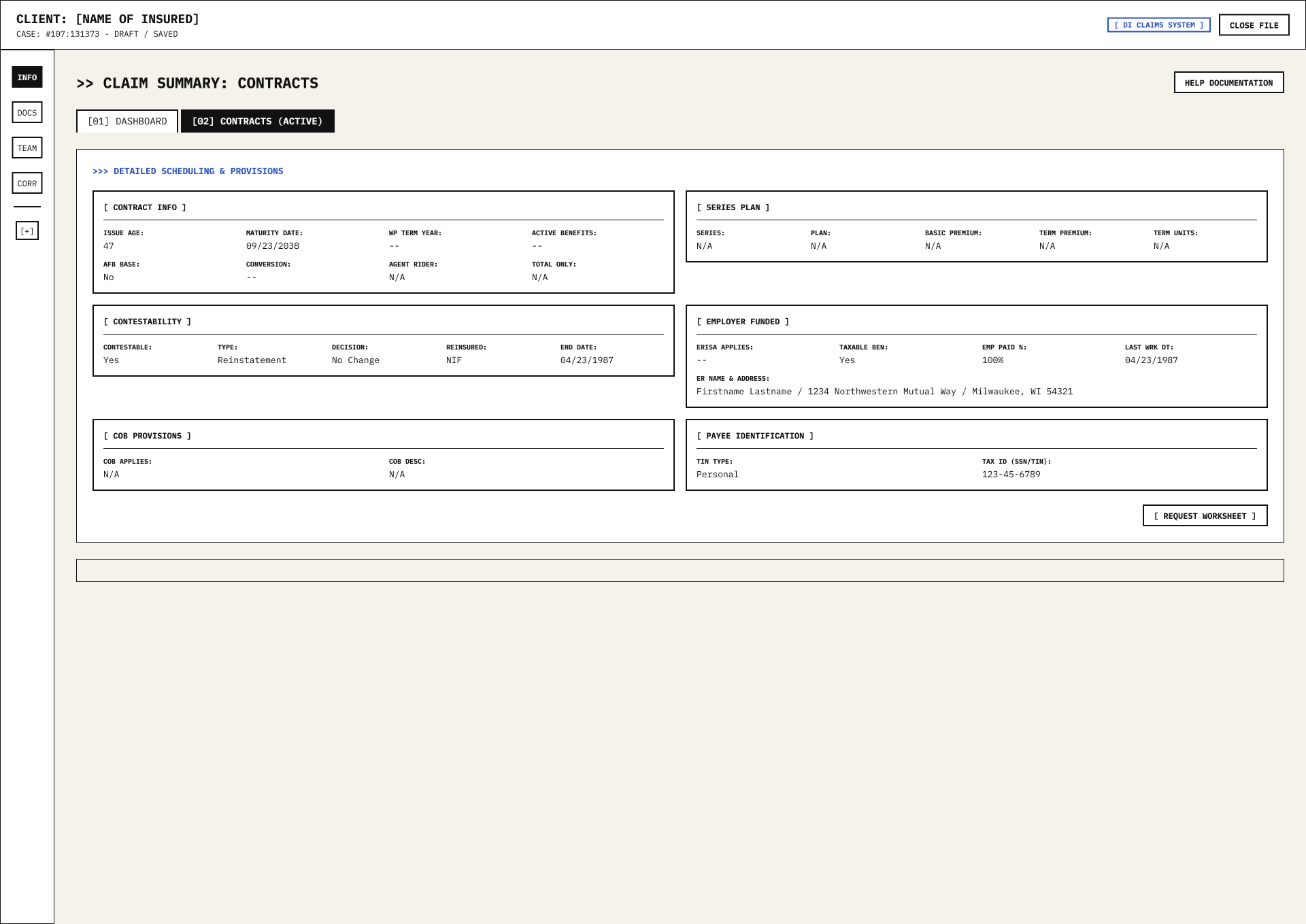
Results of the second prompt, which incorporated references to earlier work from the project. Produced by Figma AI.
This ended up being the final output of the sessions and, though still very rough, allowed each discipline to start having strategic conversations about how they might proceed into the design and build phase.
After the Session.
Design
Starting from the final sketch, I was able to start refining the experience — making editorial decisions, expanding the idea to more accurately address user needs, and incorporating established patterns and elements from the design system. This allowed me to quickly mock up a draft refined enough to use to gather user feedback.
First draft of the design. Produced by me.
Product
With a better understanding of the overall direction, delivered earlier, the product team was able to scope out the project and start planning things out far quicker than they’d been previously able.
Engineering
Even without a design in hand, the team was able to start having conversations around feasibility and general technical considerations. This prep work eventually made for a much smoother handoff than we’d had earlier phases of the project
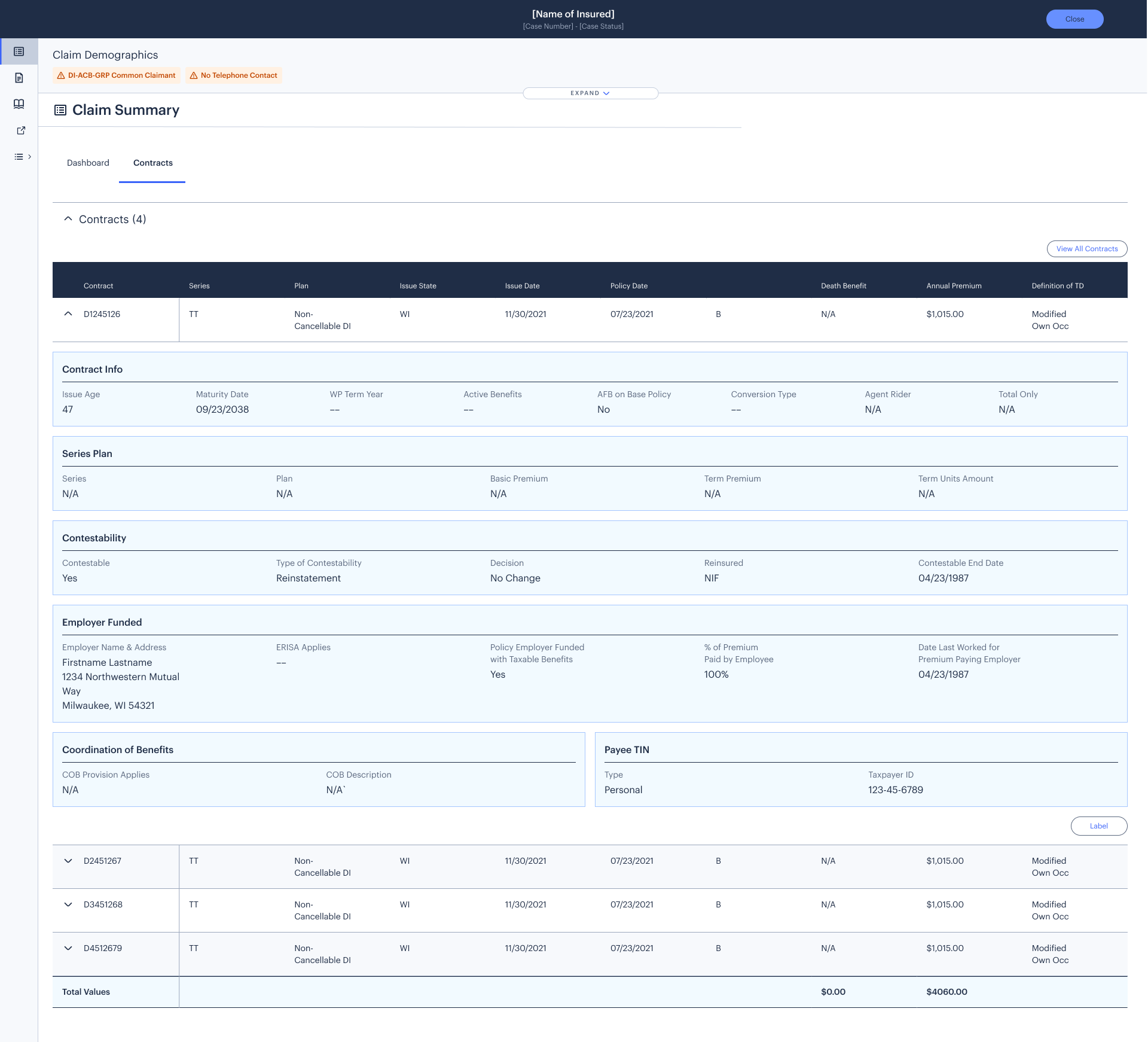
Final design. Produced by me.
After all was said and done, the discovery process was completed in less than one sprint, after which I was able to begin working on a final version that I was able to hand off early. Because engineering knew what to expect early, the handoff was simple, and the final product successfully addressed the needs of our users.
In phase 1, the discovery process consumed a great deal of the team’s working time and the results were ultimately underwhelming and led to a number of difficulties.
Incorporating AI into the process brought the total time spent on discovery down to less than one sprint and by the end of that time all parties felt genuinely aligned.
The initiative that inspired this session, though still in early stages, has observed a net cycle compression of up to 90%. Discovery processes typically took up to 7 sprints and were brought down to less than 1, sometimes only requiring 10–12 hours of dedicated effort.
The Results